
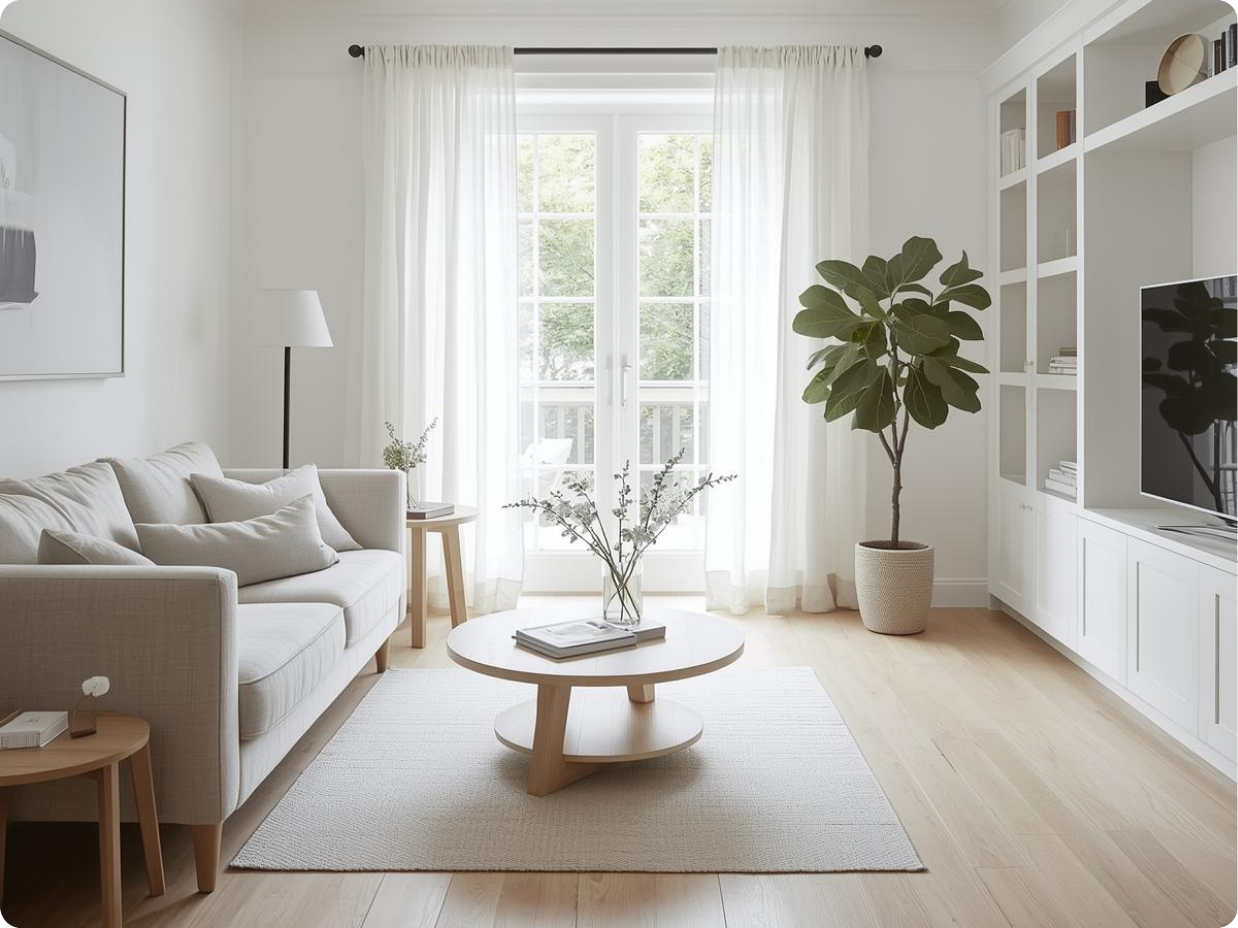
A cluttered home doesn’t just crowd your space it crowds your mind. When surfaces pile up, drawers overflow, and rooms start feeling tight, your home shifts from comforting to overwhelming. Fortunately, a few expert decluttering tips can help you create a calm, organized, stress-free home without hours of cleaning or buying unnecessary storage products.
Professional organizers rely on simple habits and repeatable systems. They know that a peaceful home is built through small, sustainable routines, not dramatic weekend purges. These pro-approved strategies work in any home, especially in small spaces where clutter is more visible and can quickly take over.
Below are the five expert habits that make the biggest difference.
Decluttering Tips
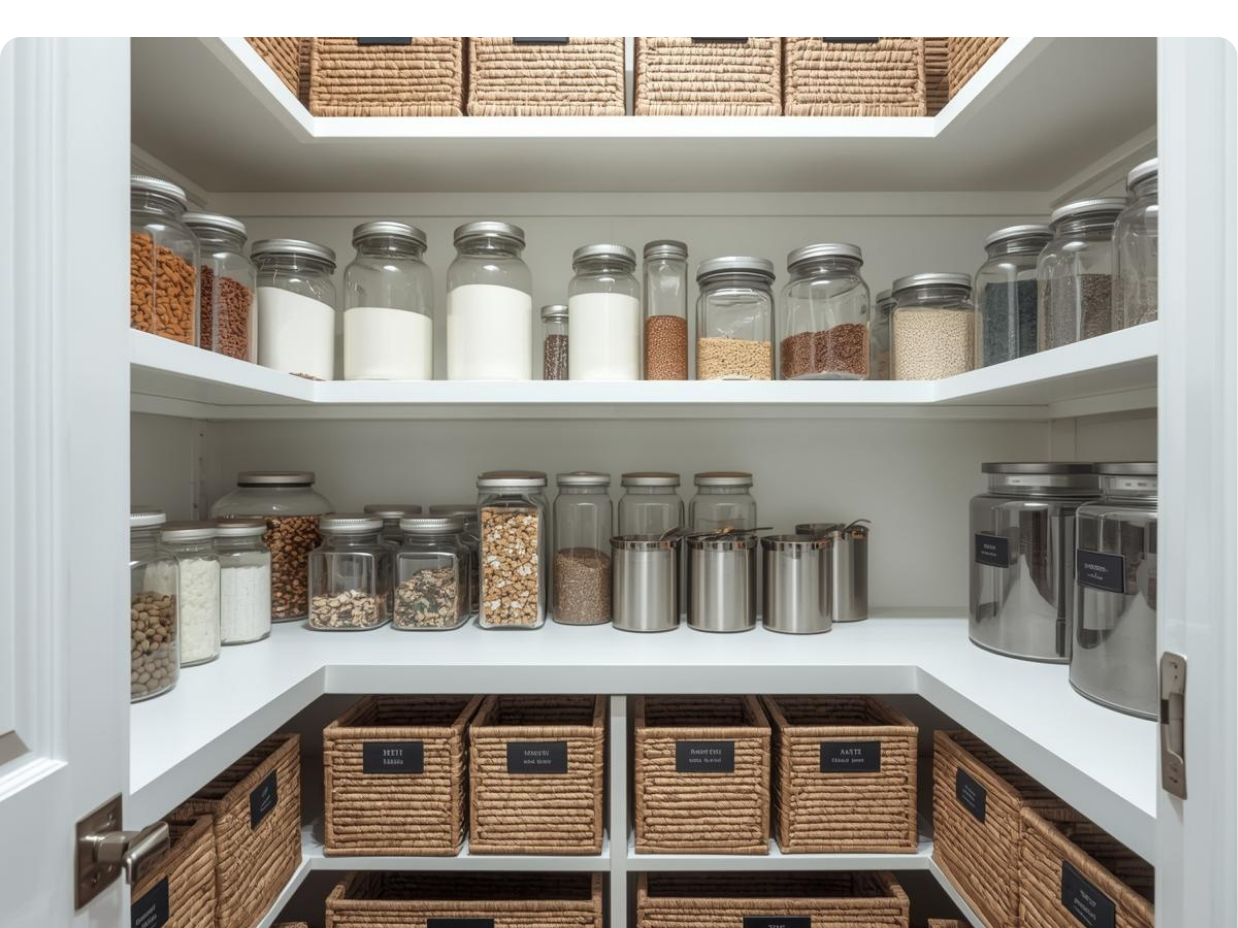
These five expert decluttering tips will help you:
- Clear visual clutter
- Create calm, supportive rooms
- Build habits that last
- Reduce decision fatigue
- Make small spaces feel open and functional
- Maintain an organized home with less effort
Benefits of Decluttering
Decluttering like a professional organizer helps you:
- Think more clearly
- Save time during daily routines
- Reduce mental and visual stress
- Strengthen long-term organization habits
- Design a home that supports your lifestyle
1. Start With the Feeling You Want to Create
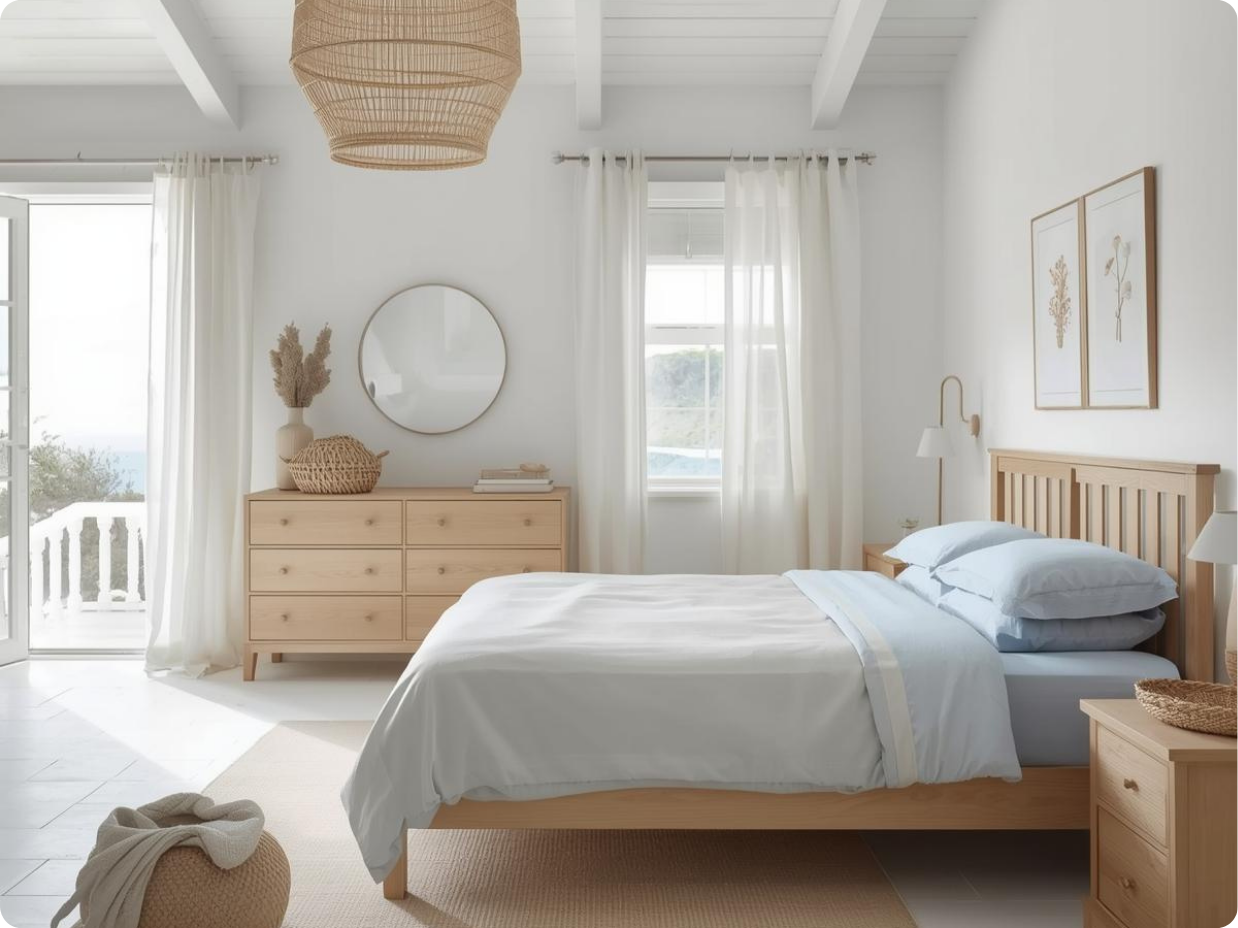
Before organizing, professional declutterers begin by identifying how a space should feel. Most people jump straight into sorting objects, but pros start with clarity and intention.
Ask yourself:
- Do you want your living room to feel calm?
- Do you want your kitchen to feel efficient and easy to use?
- Do you want your bedroom to feel restful and uncluttered?
When you anchor your decluttering to a desired feeling, decisions become much simpler. Instead of asking, “Should I keep this?” you begin asking, “Does this object support the feeling I want in this room?”
This mindset shift is powerful and works especially well in small or multi-functional homes where every item has impact.
2. Declutter by Category, Not by Room
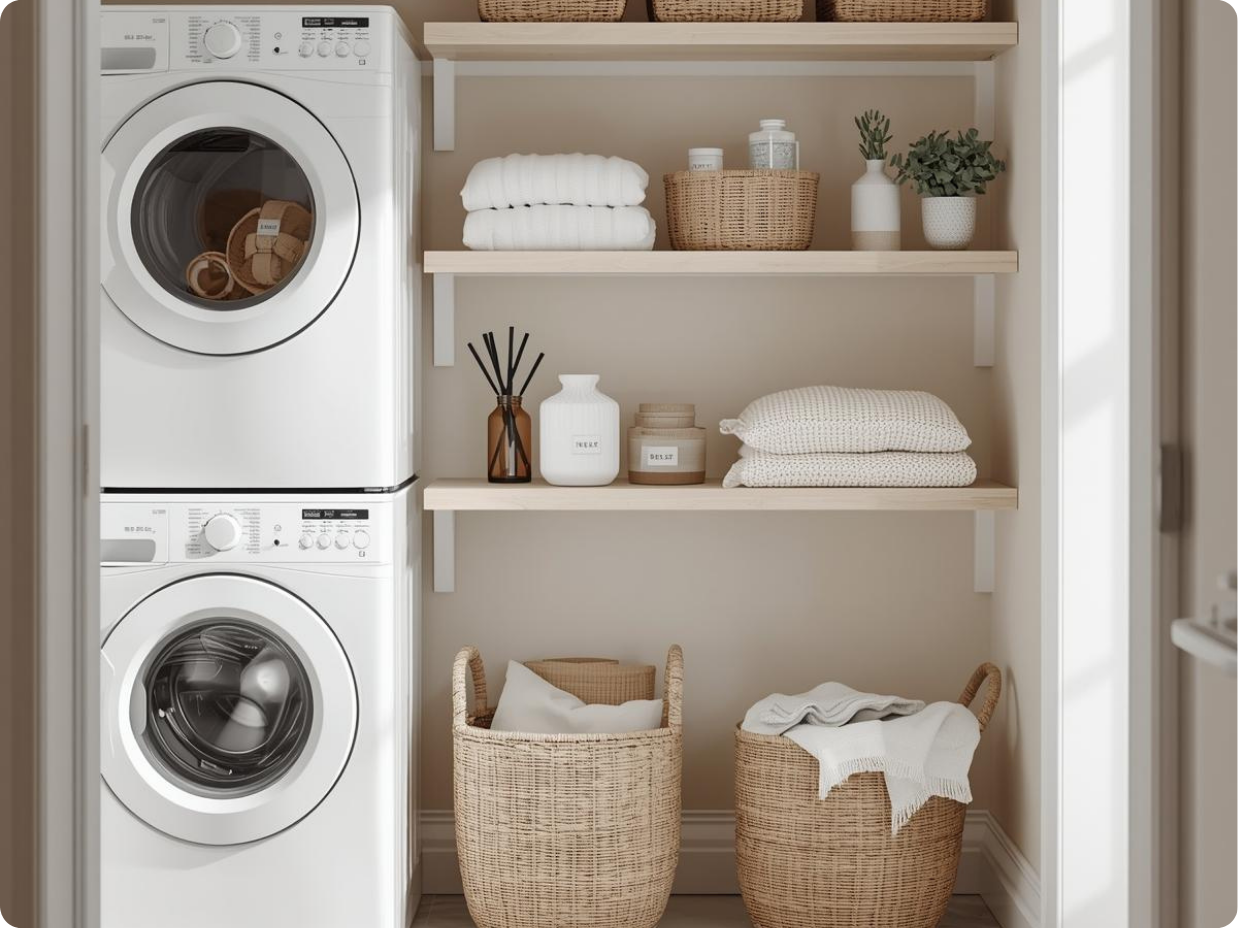
Professional organizers typically work by category rather than room. This reduces overwhelm, improves decision-making, and helps you see how much you own.
Recommended order:
- Clothing
- Books
- Bathroom items
- Decorative objects
- Sentimental items (always last)
Working by category helps prevent simply shifting clutter from one room to another. It also builds momentum because easy categories prepare you for the more emotionally challenging ones.
For a related guide, link to:
Transform Your Home: The Ultimate Guide to Decluttering and Organizing Every Room
3. Use the Daily 10-Minute Reset
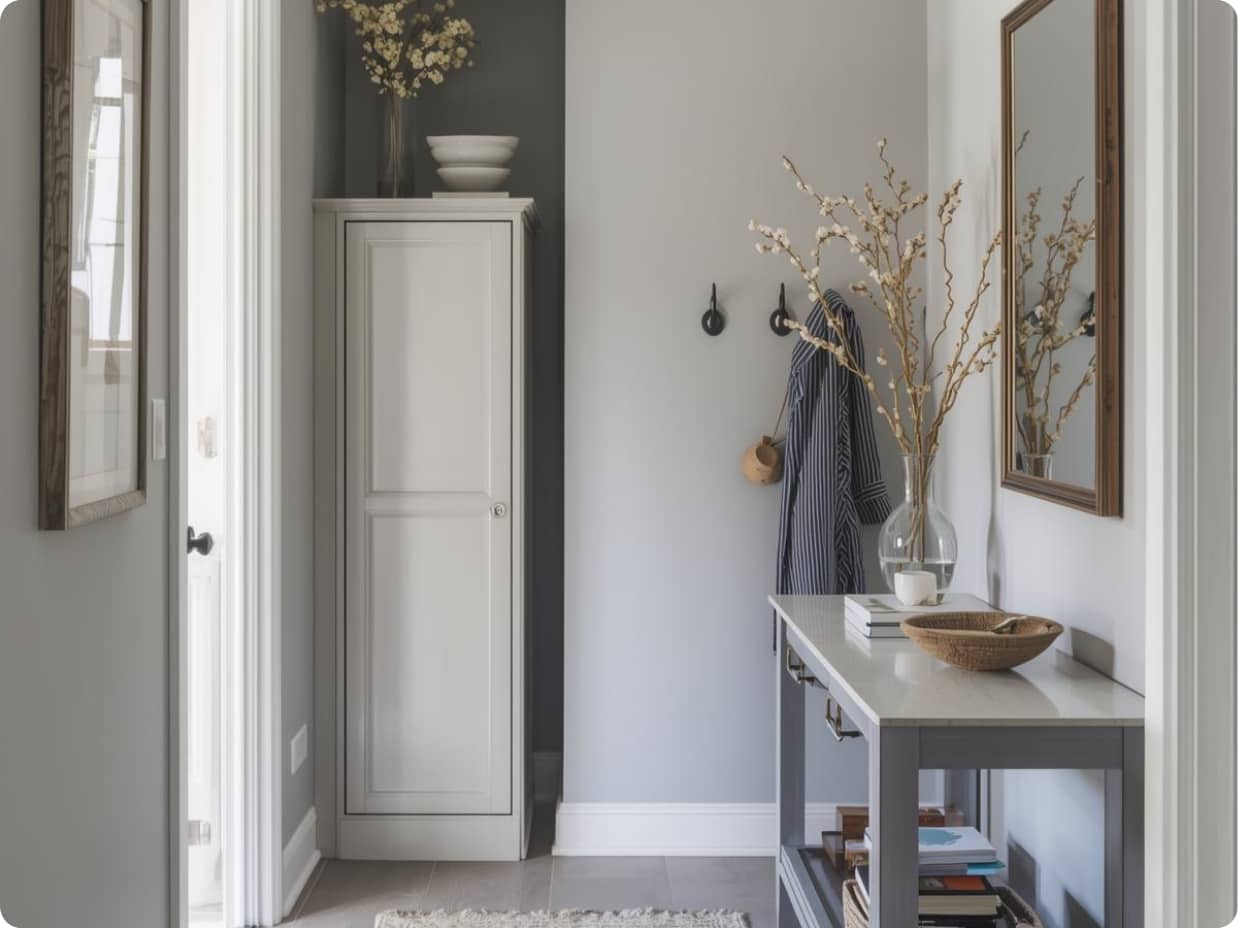
The habit professional organizers rely on most is the simplest one. A daily 10-minute reset keeps a home organized long-term and prevents clutter from accumulating.
In 10 minutes, you can:
- Clear one surface
- Put items back in their homes
- Tidy the entryway
- Reset the kitchen counter
- Sort mail
- Restore the living room
You are not deep cleaning. You are simply maintaining order.
Small resets have a significant impact, especially in compact homes where clutter becomes visible quickly.
For more maintenance tips, link to:
17 Simple Organization Hacks for a Cleaner, Calmer, Stress-Free Home
4. Create “Homes” for Your Things
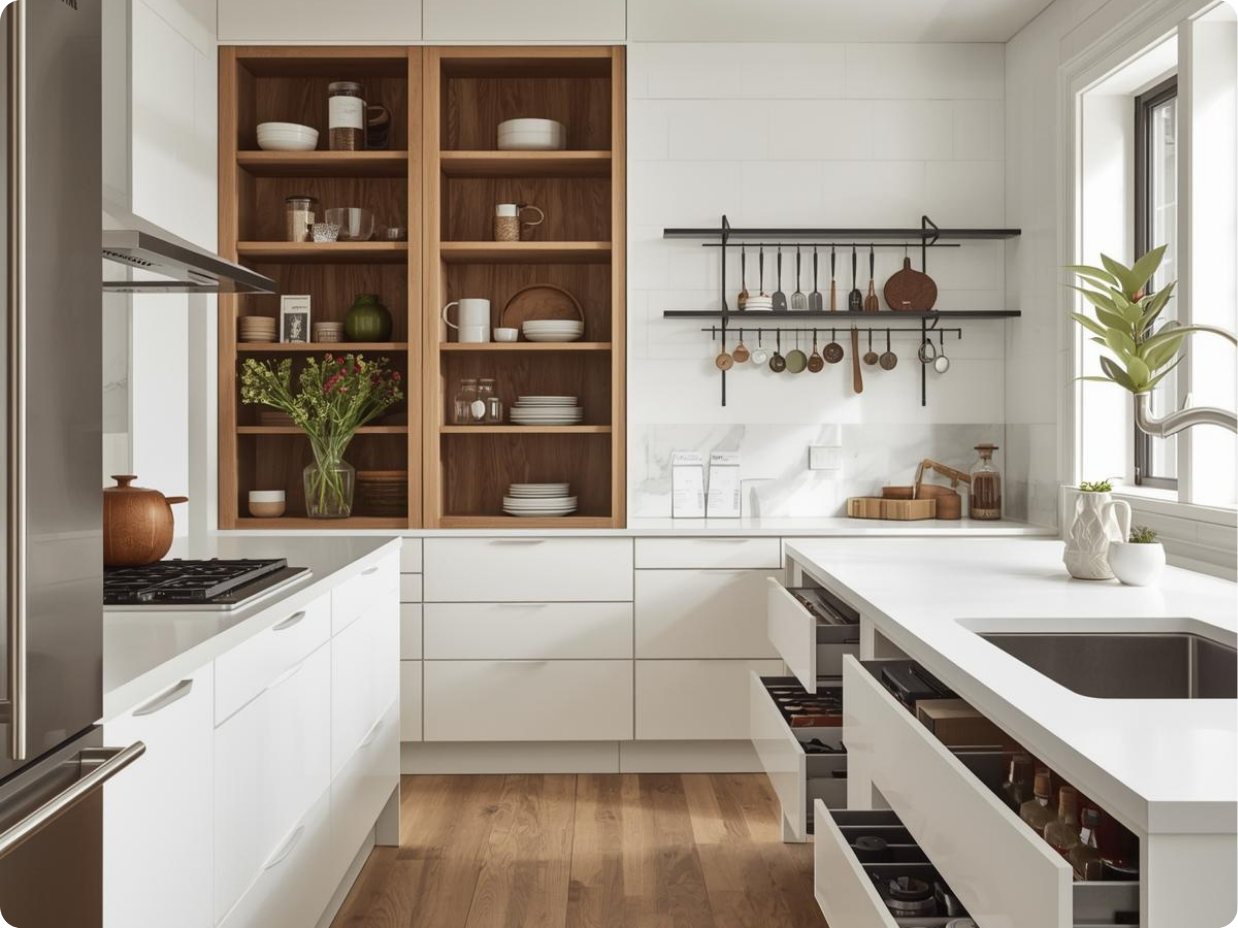
Professional organizers do not rely on motivation to stay tidy. They rely on systems. Every item you own needs a designated home. When items do not have clear homes, they tend to float from room to room, creating clutter.
Start with these:
- A home for mail
- A home for keys
- A home for chargers
- A home for daily essentials
- A home for blankets
- A home for snacks and pantry items
System design should match your behavior. If your keys always land on the hallway console, place a small bowl or tray there. If mail collects on the kitchen counter, place a vertical holder nearby.
Systems succeed when they support your natural habits.
5. Adopt the One In, One Out Rule
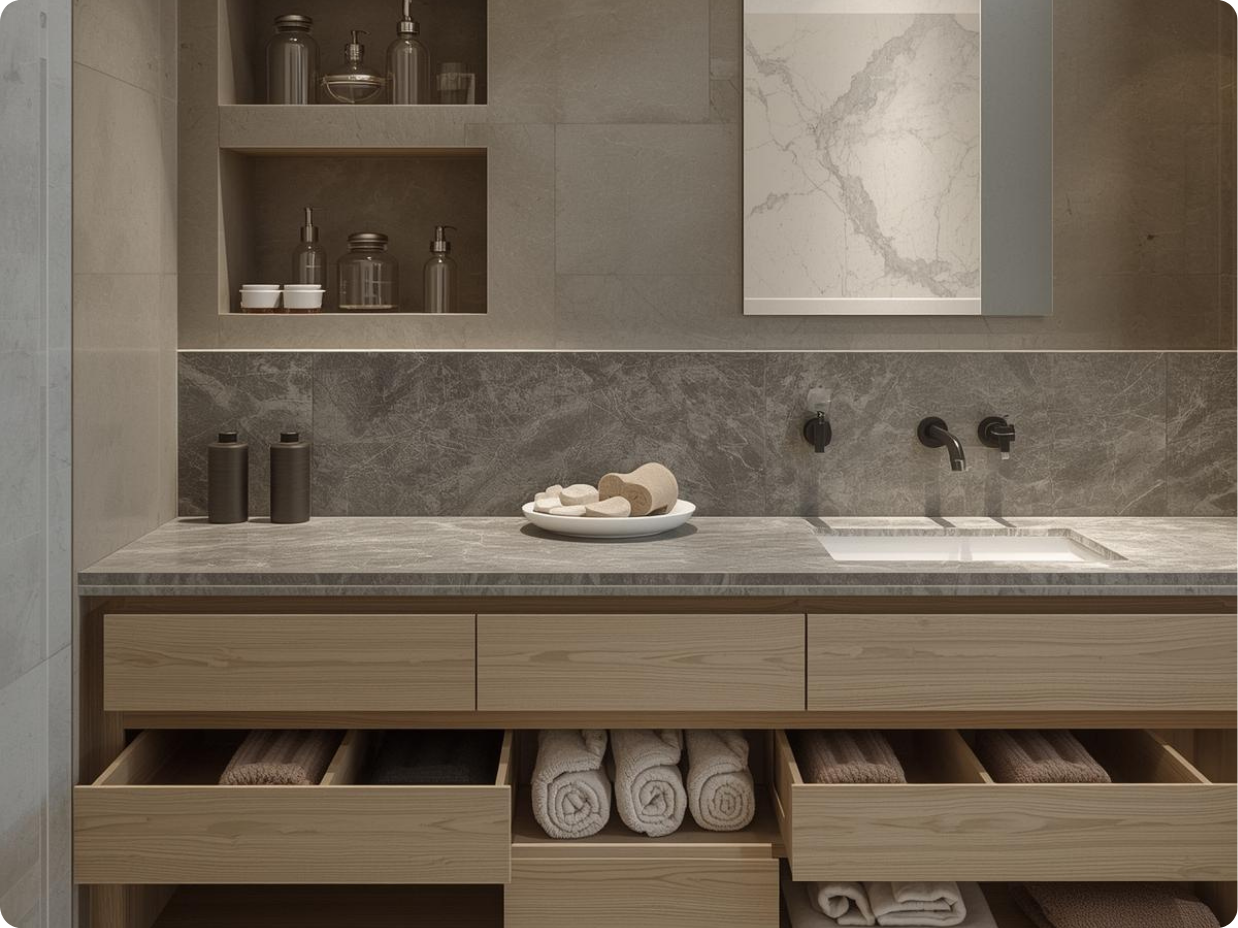
This rule is simple but incredibly effective. For every new item that enters your home, one item should leave.
Use it for:
- Clothing
- Kitchen tools
- Home decor
- Beauty products
- Office supplies
- Storage baskets and bins
This rule prevents accumulation and helps you stay intentional about what you bring into your space.
To go deeper on small-space efficiency, link to:
Small Space, Big Potential: How to Make the Most of a Tiny Home
Common Decluttering Mistakes to Avoid
- Keeping items “just in case.”
- Buying new storage before decluttering.
- Starting with emotionally difficult items.
- Expecting motivation to appear.
- Trying to declutter the entire home in one day.
Avoiding these mistakes makes the process more sustainable and less stressful.
You do not need a full home overhaul to enjoy a calm, clutter-free home. These expert decluttering tips work because they build structure and support into your daily routines. With consistent habits, clear systems, and intentional choices, your home becomes easier to maintain and far more enjoyable to live in.
Start with one small habit. Progress comes from consistency, not intensity.
By using these expert decluttering tips, you can transform your home into a calm, organized, stress-free space. Small habits lead to long-term clarity, comfort, and ease. A peaceful home is built step by step, and today is a great day to begin.
FAQ
What is the fastest way to declutter a home?
Start by decluttering categories, not rooms. It reduces confusion and helps you make quicker decisions.
How do professional organizers declutter so efficiently?
They rely on systems such as daily resets, category sorting, and built-in homes for items, rather than motivation.
What is the best habit for keeping a clutter-free home?
A nightly 10-minute reset helps maintain order without requiring long cleaning sessions.
